Bloating Vs Belly Fat
Have you ever noticed that sometimes your stomach feels uncomfortably tight, while at other times, it simply seems to expand almost like a balloon? If you’ve ever experienced that sensation, you might have found yourself wondering whether it’s caused by bloating or belly fat. Understanding the distinct differences between these two conditions can not only help you tackle them effectively but can also empower you to make informed choices about your health.

Understanding Bloating and Belly Fat
Table of Contents
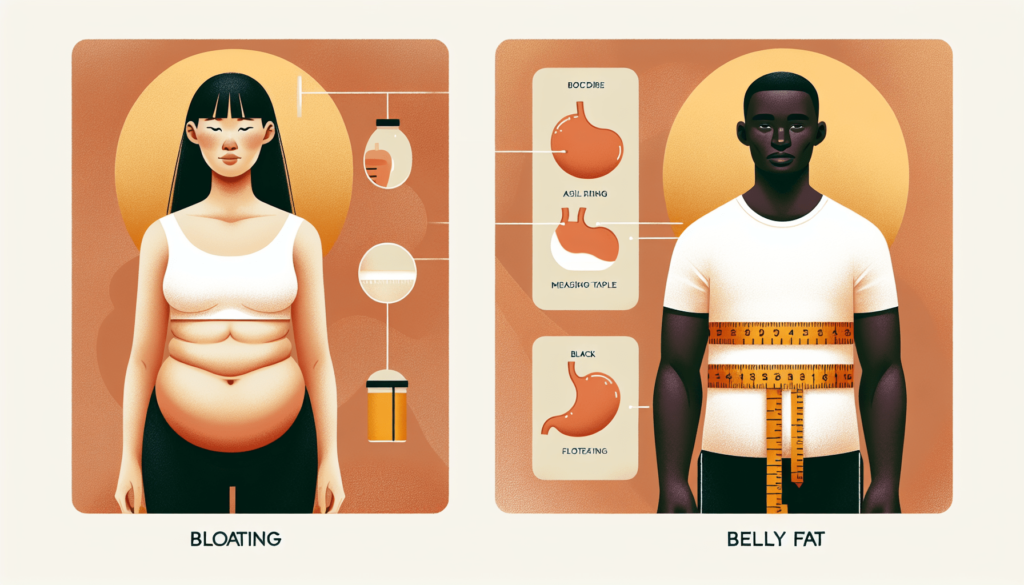
It’s essential to start by defining what exactly bloating and belly fat are. Bloating is typically a transient physical state where your belly feels swollen, often due to excess gas, water retention, or digestive issues. On the other hand, belly fat is a more permanent condition, involving the accumulation of adipose tissue around the abdomen caused by factors like unhealthy eating, lack of exercise, or hormonal imbalances.
Bloating: The Temporary Discomfort
Bloating can happen to anyone and is usually temporary. You might experience it after a heavy meal or the consumption of certain foods that don’t sit well with your digestive system. Foods like beans, carbonated drinks, and even some fruits can lead to gas production, which suffocates your belly and creates that uncomfortable feeling.
If you notice you’re quickly gaining this swollen sensation, it may be linked to:
- Eating too fast
- Eating high-sodium foods
- Food intolerances (such as lactose or gluten)
- Stress and anxiety
Recognizing Belly Fat: The Persistent Accumulation
Belly fat, in contrast, can be more challenging. It doesn’t just come and go; it sticks around and can often lead to more significant health issues. The accumulation of fat around the waist can be prompted by genetic factors, an unhealthy diet, lack of physical activity, and lifestyle choices.
It’s essential to note that not all belly fat is created equal. You can have subcutaneous fat, which is the soft layer under your skin, or visceral fat, which is more dangerous as it surrounds your internal organs. Visceral fat has connections to serious health risks like diabetes, heart disease, and insulin resistance.
The Link Between Bloating and Belly Fat
You might be asking yourself if one leads to the other. In some scenarios, you might find that bloating temporarily makes you appear to have more belly fat than you actually do. This bloating can create an illusion of additional weight.
Conversely, having excess belly fat can lead to digestive issues that might enhance your feelings of bloating. This interaction highlights the importance of understanding both conditions in your overall health journey.
Bloating and Insulin Resistance
Insulin resistance is a term often thrown around in discussions about weight and health. If insulin isn’t functioning properly, your body can produce more fat in the abdominal area, leading to increased belly fat. Research also suggests that individuals with significant belly fat often experience digestive issues, which may lead to bloating.
If you’re feeling frustrated with stubborn belly fat and bloating, evaluating your diet and discussing potent factors like insulin resistance with a professional can be essential steps in reclaiming your health.
Bloating and Diabetes: A Complicated Relationship
There’s a correlation between diabetes and increased abdominal fat, which can exacerbate bloating. When you have diabetes, your body struggles to regulate glucose levels. Over time, poor regulation can promote weight gain, particularly around the belly.
Additionally, some foods that can help manage blood sugar may contribute to feelings of fullness, further complicating the situation. Understanding your personal relationship with food and working with a healthcare provider can be crucial.
Managing Bloating
So, what can you do when bloating strikes? Below are meaningful strategies to alleviate discomfort.
Simple Dietary Changes
The first step toward managing bloating often lies in dietary modifications. Eating slowly and mindfully can allow your body to better handle digestion. Opting for smaller, more frequent meals instead of larger ones may also help.
Foods to Consider Reducing:
- Cruciferous vegetables (like broccoli and cauliflower)
- Dairy products (if lactose intolerant)
- Processed foods high in salt
Foods Generally Well-Tolerated:
- Gingers and peppermint
- Bananas
- Yogurt (for those without lactose intolerance)
Hydration: An Underestimated Ally
Increasing your fluid intake is often underrated. Water helps flush out excess sodium and can also lessen water retention, which is a common cause of bloating. Aim for at least eight glasses a day, and consider herbal teas that can enhance digestion.
Monitor Food Intolerances
If certain foods keep causing discomfort, maintain a food diary to identify possible intolerances. Consulting with a healthcare provider specializing in food sensitivity can provide personalized guidance.
Tackling Belly Fat
While understanding bloating is vital, addressing belly fat requires a broader lifestyle approach.
The Role of Exercise
Engaging in regular exercise can be one of the most effective ways to combat belly fat. Aim for a mix of both cardio and strength training exercises.
Fast Belly Fat Burning Exercises to Consider:
- High-Intensity Interval Training (HIIT): Short bursts of intense activity followed by recovery periods can be highly effective.
- Strength Training: Incorporating weight lifting into your routine helps build muscle mass and boost metabolism.
- Core-Focused Exercises: Engaging your core can strengthen abdominal muscles and contribute to a leaner waistline.
Understanding the Best Belly Fat Burner for Women
It’s a common misconception that there is a ‘magic pill’ or easy solution for losing belly fat. However, your approach should be a combination of a balanced diet and a sustainable exercise routine.
Some popular natural fat burners include:
- Green tea: Known for its antioxidants, it can help improve metabolism.
- Apple cider vinegar: It may help with appetite suppression and body weight.
- Foods high in fiber: Incorporating whole grains, legumes, and fruits can enhance digestion and metabolism.
The Importance of Sleep
Don’t forget about sleep! A lack of adequate rest has been linked to weight gain and increased belly fat. Prioritize getting 7-9 hours of quality sleep each night to bolster your efforts in losing belly fat.
Managing Stress Levels
High stress can lead to emotional eating and hormonal imbalances that promote belly fat accumulation. Techniques such as yoga, meditation, and deep breathing exercises can prove beneficial.
The Best Belly Fat Burner Drink
When it comes to beverages, some can help you manage belly fat better than others. Here are a few drinks to consider integrating into your daily routine:
| Drink | Benefits |
|---|---|
| Green Tea | Boosts metabolism and enhances fat oxidation. |
| Apple Cider Vinegar | May improve blood sugar levels, reducing cravings and belly fat. |
| Lemon Water | Can enhance digestion and promote hydration. |
| Peppermint Tea | Aids with digestive issues, alleviating bloating. |
| Protein Shakes | Keeps you full, preventing excessive snacking throughout the day. |
Incorporating these drinks can provide additional benefits that complement your dietary and exercise efforts.
Healing Your Gut
Have you heard about the gut-brain connection? A healthy gut flora can positively impact digestion and inflammation levels, which can in turn reduce both bloating and belly fat. Include probiotics and prebiotics in your meals, which can support gut health.
Consider yogurt, kefir, sauerkraut, and other fermented foods as regular additions to your diet. Fiber-rich foods such as fruits, vegetables, and whole grains can also help feed the good bacteria in your gut.
The Journey to Wellness
In the end, combating bloating and belly fat is a journey. It’s about making informed lifestyle choices, understanding your body, and learning what works best for you.
Don’t forget that short-term changes can bring some immediate benefits, but lasting transformations come from sustainable habits. Whether you’re adjusting your diet, incorporating exercise, or managing stress, every step counts toward achieving your wellness goals.
Remember to celebrate small victories along the way. Each time you prioritize healthy choices over temporary fixes, you’re investing in your future well-being.
By taking consistent action while also being gentle with yourself during setbacks, you can foster a balanced approach to health. In the end, you’ll not only reduce bloating and belly fat, but you’ll emerge healthier and more empowered.