Whey Protein for Weight Gain: The Secret to Building Muscle and Boosting Healthy Mass
Gaining weight the healthy way is an essential goal for many, especially when it comes to building lean muscle. This article explores how whey protein can become a vital part of your strategy to achieve those fitness aspirations. By understanding the distinct advantages of whey protein, you’ll learn how it not only supports muscle growth but also aids in healthy bulking.
With the right approach, including a calorie-surplus diet and consistent resistance training, whey protein can fill the nutritional gaps in your routine. This supplement is designed to boost your muscle mass effectively while ensuring you’re managing your overall health. Discover how incorporating whey protein into your daily regimen can transform your journey toward achieving your desired physique.
Understanding Whey Protein
Table of Contents
- 1 Understanding Whey Protein
- 2 The Role of Whey Protein in Muscle Building
- 3 Whey Protein and Weight Gain Strategies
- 4 Benefits of Whey Protein for Healthy Mass Gain
- 5 Choosing the Right Whey Protein
- 6 Whey Protein Consumption Methods
- 7 Complementing Whey Protein with Resistance Training
- 8 Common Misconceptions About Whey Protein
- 9 Potential Side Effects of Whey Protein
- 10 Conclusion


What is Whey Protein?
Whey protein is a high-quality protein derived from milk during the cheese-making process. As you may know, milk consists of two primary proteins: casein and whey. While casein digests slowly, providing a gradual release of amino acids, whey protein is fast-acting, making it an excellent choice for muscle recovery and growth. It’s often regarded as a complete protein because it contains all nine essential amino acids your body needs for various functions, including building and repairing tissues. Whether you’re looking to gain muscle mass or just improve your overall health, incorporating whey protein could be a transformative step for you.
Types of Whey Protein
You’ll find that there are several types of whey protein on the market, and choosing the right one can be essential for achieving your fitness goals.
-
Whey Protein Concentrate (WPC): This type contains about 70-80% protein and retains some fats and carbohydrates, making it a great choice for overall nutrition.
-
Whey Protein Isolate (WPI): With a higher protein percentage (90% or more) and less fat and lactose, whey isolate is perfect for those who are lactose intolerant or want a purer form of protein.
-
Whey Protein Hydrolysate (WPH): This is pre-digested, meaning it absorbs quickly, making it suitable for individuals with specific digestive issues. It’s often used in medical protein supplements and baby formulas.
Each type has its benefits, and depending on your dietary needs and fitness goals, you might lean toward one over the others.
Nutritional Profile of Whey
Whey protein is a nutrient powerhouse. One scoop typically provides you with around 20-25 grams of protein, which can significantly contribute to your daily intake. Besides protein, it also contains essential vitamins and minerals like B vitamins, calcium, potassium, and magnesium. The amino acid profile is particularly notable for its high leucine content, which is crucial for muscle protein synthesis. Furthermore, whey is low in carbohydrates and fat, making it an ideal addition to a weight gain or muscle-building regimen without adding unnecessary calories.
The Role of Whey Protein in Muscle Building
Amino Acids and Muscle Growth
When it comes to muscle building, amino acids are your best friends. Whey protein acts fast, supplying your muscles with the amino acids they need to recover and grow after a workout. The essential amino acids found in whey, particularly leucine, play a vital role in stimulating muscle protein synthesis—the process where your body builds new muscle. By supplementing your diet with whey protein, you’re effectively giving your muscles the tools they need to thrive.
The Importance of the Anabolic Window
You may have heard of the “anabolic window,” a critical time frame post-workout when your body is most receptive to nutrients. Consuming whey protein during this period can maximize muscle growth and recovery. The quick digestion and absorption of whey mean that your body can efficiently use these nutrients to repair and build muscle fibers, enhancing your overall gains.
How Whey Affects Muscle Recovery
In addition to muscle building, whey protein also plays a significant role in recovery. After an intense workout, your muscle fibers experience microtraumas, and incorporating whey protein helps to repair them more efficiently. By reducing muscle soreness and accelerating recovery times, whey protein allows you to train more frequently, contributing to greater muscle mass over time.
Whey Protein and Weight Gain Strategies

Caloric Surplus for Weight Gain
If your goal is to gain weight healthily, it’s essential to create a caloric surplus, meaning you need to consume more calories than you burn. This is where whey protein can be particularly useful. By adding whey to your meals or snacks, you can increase your overall protein intake without needing to eat excessive amounts of food. This can be especially beneficial for those who struggle to consume enough calories throughout the day.
Integrating Whey Protein into Your Diet
To gain the benefits of whey protein effectively, you might find it helpful to integrate it into your daily routine. A scoop mixed into your morning smoothie or shaken with milk or water post-workout can significantly increase your protein intake. You can also consider adding it to oatmeal, yogurt, or even baked goods, allowing you to incorporate more nutrient-dense options into your meals without feeling overloaded.
Optimal Timing for Consumption
Timing can enhance the benefits of whey protein. Consuming whey protein immediately after your workout takes advantage of the anabolic window and provides your body with the necessary nutrients to kickstart the recovery and muscle-building process. Additionally, taking whey between meals can help curb hunger and maintain a positive protein balance necessary for healthy weight gain.
Benefits of Whey Protein for Healthy Mass Gain
Supports Lean Muscle Development
Whey protein is particularly effective in supporting lean muscle development. Unlike gaining weight through unhealthy, calorie-dense foods, including whey in your diet contributes to muscle rather than fat. This means you can achieve your weight gain goals while improving your body composition and overall health.
Aids in Insulin Regulation and Energy Levels
Whey protein can positively affect your insulin levels, helping to manage blood sugar and reduce cravings, which can often derail dietary plans. By assisting in insulin regulation, whey can help sustain your energy levels throughout the day, making it easier for you to stick to your fitness regimen and avoid midday crashes.
Helps Maintain Positive Protein Balance
For anyone seeking to gain weight through muscle, maintaining a positive protein balance in your body is crucial. Whey protein supplements this balance effectively, ensuring your body has a sufficient supply of amino acids for muscle repair and growth. By incorporating whey into your diet, you are setting yourself up for success in your weight gain journey.
Choosing the Right Whey Protein
Grass-Fed vs. Conventional Whey
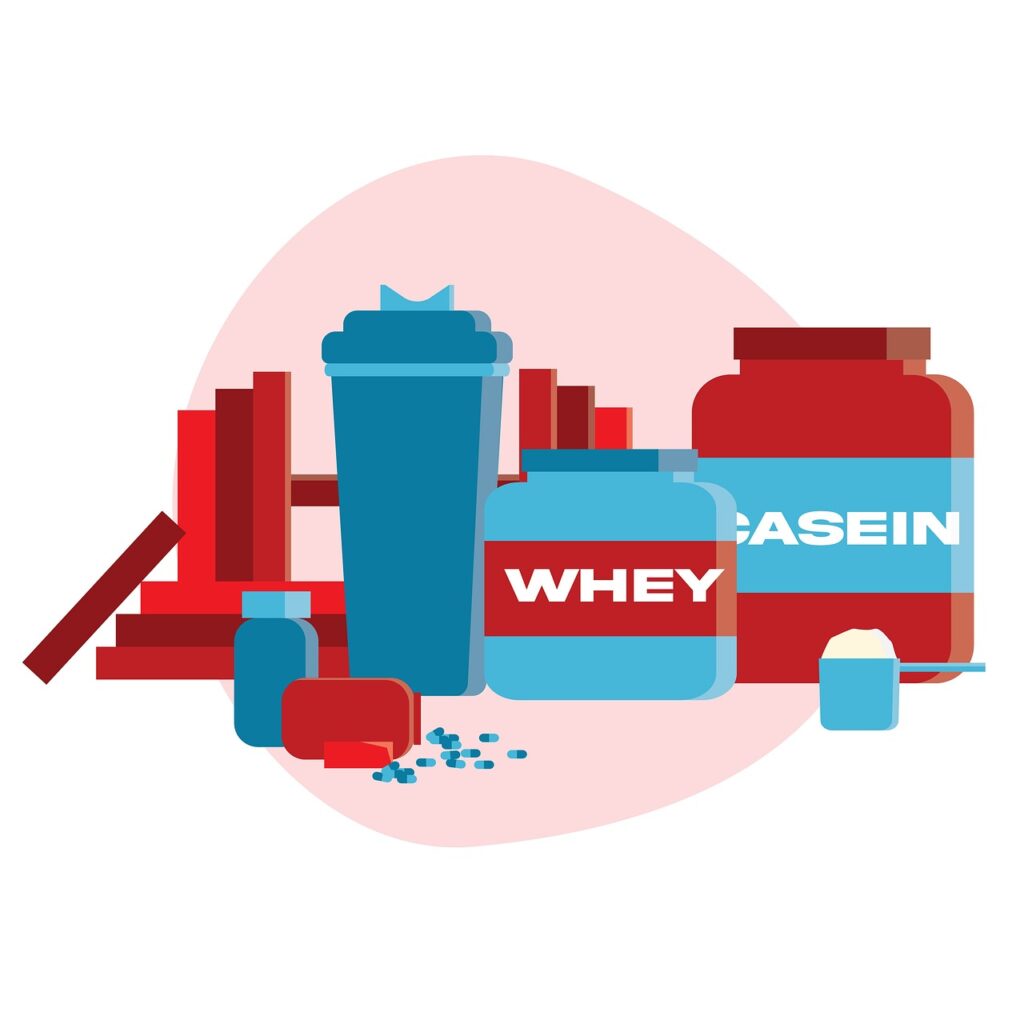
When choosing whey protein, one important distinction is between grass-fed and conventional options. Grass-fed whey comes from cows that have been raised on a diet primarily consisting of grass, which may offer superior nutritional benefits, including a higher omega-3 content and improved amino acid profiles. This option may be more expensive but could be worth it for the added health benefits.
Understanding Additives and Sweeteners
While selecting a whey protein supplement, pay attention to the ingredient list. Some products contain added sugars, artificial sweeteners, and fillers that can derail your health goals. Opt for whey proteins with minimal ingredients to ensure you’re getting a pure product that aligns with your dietary needs.
Lactose Intolerance and Digestibility Options
If you’re lactose intolerant, you don’t have to shy away from whey protein entirely. Look for whey isolate or hydrolysate, both of which are lower in lactose and easier on the digestive system. These options allow you to enjoy the benefits of whey without the discomfort.
Whey Protein Consumption Methods
Smoothies and Shakes
One of the most popular ways to consume whey protein is through smoothies and shakes. Mixing a scoop of whey protein with your favorite fruits, vegetables, and liquids makes for a delicious and nutrient-packed meal or snack. Whether you prefer a banana and spinach smoothie or a classic chocolate shake, the possibilities are endless.
Baking and Cooking with Whey Protein
You might be surprised to learn that you can cook and bake with whey protein. Adding it to pancakes, muffins, and even soups can boost the protein content significantly without altering the taste. Just remember to experiment with the quantities to maintain the right texture in your recipes.
Ready-to-Drink Options
If you’re on the go and need a quick source of protein, ready-to-drink whey protein shakes are an excellent alternative. These can be found at many grocery stores and are convenient for busy days or post-exercise recovery. Just be mindful of their ingredients and choose those that provide the most nutritional value.
Complementing Whey Protein with Resistance Training

Importance of Strength Training for Muscle Gain
While whey protein plays a crucial role in your weight gain journey, it should be complemented with resistance training. Lifting weights and engaging in strength-building exercises stimulate muscle growth and work in tandem with your protein intake to optimize muscle development.
Sample Resistance Training Regimen
To ensure you’re getting the most from your workouts, consider following a sample resistance training regimen that targets all major muscle groups. This could include exercises such as squats, deadlifts, bench presses, and rows, performed 3-4 times a week. Combining this with your whey protein consumption can set you on the path to success in gaining lean mass.
Tracking Progress in Muscle Development
It’s essential to track your progress as you work toward your muscle-building goals. Keeping a record of your workouts, dietary intake, and body measurements can help you see where you are succeeding and where you may need to make adjustments. This practice can motivate you to stay consistent and committed to your goals.
Common Misconceptions About Whey Protein
Myths Regarding Weight Gain
There are numerous myths surrounding whey protein, especially regarding weight gain. One common misconception is that consuming whey will automatically cause you to gain fat. However, when combined with a controlled caloric surplus and proper exercise, whey can help you build lean muscle instead.
Whey Protein and Kidney Health
Another frequent misconception is that whey protein is harmful to kidney health. For healthy individuals, moderate consumption of whey protein does not pose a risk. However, if you have pre-existing kidney issues, it’s always best to consult a healthcare professional before increasing your protein intake significantly.
Understanding Dietary Needs
Whey protein should not be seen as a substitute for whole foods. It’s best viewed as a supplement that can help you meet your protein needs, especially when you struggle to consume enough through meals alone. Remember, a balanced diet is crucial for overall health and well-being.
Potential Side Effects of Whey Protein
Digestive Issues
While whey protein is generally well-tolerated, some individuals may experience digestive issues like bloating, gas, or diarrhea, especially with higher doses. If you notice any discomfort, it might be worth trying a different type of whey protein or reducing your intake.
Allergic Reactions
If you’re allergic to dairy, you should avoid whey protein altogether. Symptoms of an allergic reaction can include hives, itching, and in severe cases, anaphylaxis. Always consult with a healthcare provider if you are unsure about any product.
Overconsumption Risks
Like any supplement, consuming whey protein excessively can lead to unwanted side effects, including weight gain and digestive discomfort. It’s essential to find the right balance that works for your body and your goals.
Conclusion
Summarizing the Benefits of Whey Protein
Incorporating whey protein into your diet can offer numerous benefits, from muscle building to aiding in healthy weight gain. With its complete amino acid profile, quick absorption rate, and versatility in cooking and consumption, whey protein is a valuable ally in your fitness journey.
Encouragement for Healthy Weight Gain
If you’re struggling to gain weight, remember that you’re not alone. With the right combination of whey protein, a caloric surplus, and a consistent resistance training routine, you can achieve your goals and build the muscle you’ve always wanted.
Final Thoughts on Integrating Whey into a Fitness Plan
As you strive for your health and fitness goals, consider how whey protein can fit into your overall strategy. With a friendly approach and the right mindset, you can embrace whey as a powerful tool in your journey toward healthy mass and muscle gain. So, go ahead, explore the options, experiment with recipes, and enjoy the process as you work toward a stronger, healthier you!
Whey Protein for Weight Gain: The Secret to Building Muscle and Boosting Healthy Mass
Looking to gain weight the healthy way and finally build the lean muscle you’ve been training for? This video dives deep into the benefits of whey protein for weight gain, explaining how it helps boost muscle mass and support clean bulking. Discover the secret behind this powerful supplement and how it can help you transform your body and fuel your fitness journey.
See more: Protein Powder 101: The Ultimate Guide to Choosing the Best for Your Fitness Goals: • Protein Powder 101: The Ultimate Guid…

