4 Essential Supplements for PCOS Weight Loss
PCOS can be a challenging condition, but understanding how to support your weight loss journey can make a difference. This article highlights four essential supplements that may help you manage your weight while dealing with PCOS. Each of these supplements plays a unique role in boosting metabolism, improving insulin sensitivity, and filling nutrient gaps.
You will explore the benefits of Omega-3 fish oil, CoQ10, curcumin, and a multivitamin in your daily routine. By incorporating these supplements, you can potentially enhance your metabolic rate, reduce inflammation, and ensure your body gets the nutrients it needs. Discover how these simple additions to your diet could empower you on your weight loss path.

Understanding PCOS and Weight Loss Challenges
Table of Contents
Overview of PCOS
Polycystic Ovary Syndrome (PCOS) is a common hormonal disorder that affects a significant number of women of reproductive age. If you’re one of these women, you might have experienced a range of symptoms that diverge widely, including irregular menstrual cycles, excessive hair growth, acne, or even difficulty falling asleep. Although the root cause of PCOS isn’t entirely understood, it’s often linked to an imbalance in hormones, particularly androgens, which can complicate aspects of your health, including weight management. Understanding PCOS is the first step towards finding the right strategies to help you feel your best.
Impact of PCOS on metabolism and weight
One of the most frustrating aspects of PCOS is how it can affect your metabolism. Women with PCOS often experience insulin resistance—a condition where your body doesn’t respond well to insulin. This can lead to higher blood sugar levels, increased fat storage, and ultimately, unwanted weight gain. If you’ve ever noticed that despite your best efforts, losing weight seems almost impossible, you’re not alone. Your body’s unique hormonal balance directly impacts your ability to lose weight, making it essential to approach weight management differently when you have PCOS.
Common symptoms affecting weight management
Among the common symptoms of PCOS that can interfere with weight management are fatigue, mood swings, and cravings for carbohydrates. Many women experience bloating or water retention, making your weight fluctuate and complicating your body image even further. These challenges can lead to a cycle of frustration, where you may feel discouraged and overwhelmed, which certainly isn’t ideal when you’re trying to embrace a healthier lifestyle.
Importance of Supplements in PCOS Management
Role of supplements in hormone regulation
Supplements can play a vital role in managing PCOS by helping to regulate hormones that affect your overall well-being, including weight. Many women find that incorporating specific supplements can aid in balancing their hormonal environment, making it easier to tackle some of the weight-related issues linked to PCOS. There’s no one-size-fits-all approach, but the right supplements can certainly tilt the scale in your favor.
Supporting metabolic health
Supplements are not just about hormones; they can also enhance your metabolic health. For women with PCOS, metabolic health concerns can manifest as sluggish energy levels or difficulty in burning calories. By choosing the right supplements, you might find it easier to support your metabolic functions, empowering you to feel more energetic and more capable in your weight loss journey.
Addressing nutrient deficiencies
Women with PCOS commonly experience nutrient deficiencies due to factors like inflammation and poor nutrient absorption. This can lead to gaps in essential vitamins and minerals such as magnesium, vitamin D, and zinc. By taking suitable supplements, you prevent these deficiencies, which can play a significant role in both your well-being and your ability to manage your weight effectively.

Omega-3 Fish Oil
Benefits of Omega-3 for women with PCOS
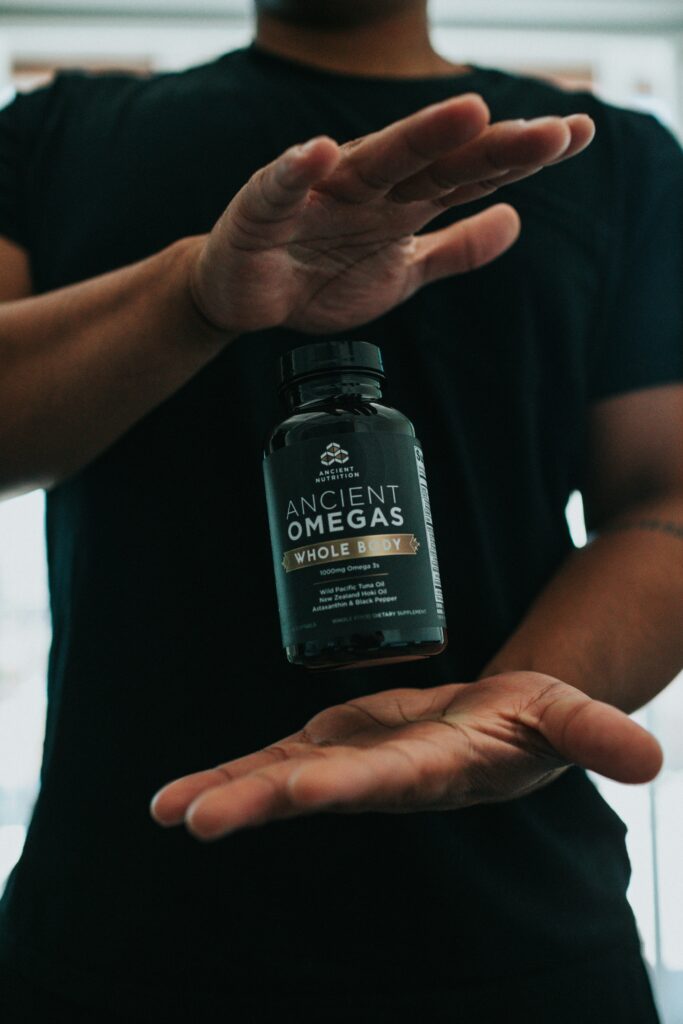
Omega-3 fish oil is known for its anti-inflammatory properties, making it a fantastic supplement for you if you have PCOS. Research suggests that Omega-3 can also contribute to improved insulin sensitivity, which is crucial for managing weight. By incorporating Omega-3 into your daily routine, you may experience a reduction in inflammation, which can make your journey toward weight loss feel more feasible.
Research highlighting metabolic rate improvement
Studies have shown that when women with PCOS regularly consume Omega-3 fish oil, they could see a remarkable increase in their metabolic rate. In fact, some research points to a potential 14% increase, equating to burning approximately an additional 200 calories a day! Doesn’t that sound motivating? By intentionally adding this supplement to your diet, you aren’t just addressing inflammation and insulin resistance; you’re actively enhancing your body’s capacity to burn calories.
Recommended dosage and form
When considering Omega-3 supplements, it’s important to consult with a healthcare provider for personalized advice. A common recommendation for women looking to benefit from Omega-3 supplementation is around 1000-3000 mg of combined EPA and DHA per day, which you can usually find in capsule or liquid form. Making it a part of your daily routine could really pay off in the long run.
Coenzyme Q10 (CoQ10)
How CoQ10 supports insulin sensitivity
CoQ10 is another fantastic supplement worth considering if you have PCOS. It’s a powerful antioxidant that plays an essential role in cellular energy production. If you struggle with insulin resistance, like many women with PCOS, CoQ10 might help improve your body’s insulin sensitivity. By doing so, it can aid in glucose regulation, making it easier for your body to manage blood sugar levels and ultimately support weight loss efforts.
Study results on glucose regulation
Research supports the idea that CoQ10 can profoundly impact glucose regulation in women with PCOS. In various studies, women who took CoQ10 showed notable improvements in their insulin levels, which can be incredibly encouraging if you’re watching your blood sugar and working to lose weight. The more controlled your blood sugar levels, the easier it becomes to manage cravings and maintain a healthy weight.
Safety, dosage, and possible side effects
CoQ10 is generally considered safe for most people, but as with any supplement, it’s a good idea to discuss it with your doctor before starting. Typically, dosages can range from 100 to 600 mg per day. While side effects are rare, some may experience mild digestive issues such as nausea or diarrhea. It’s essential to listen to your body and adjust your dosage as needed.

Curcumin
Anti-inflammatory properties and weight loss
Curcumin, a component of the spice turmeric, is gaining attention for its potential benefits in managing PCOS and supporting weight loss. Its strong anti-inflammatory properties help reduce systemic inflammation, which is particularly beneficial for women experiencing PCOS. By alleviating inflammation, curcumin can make it easier for your body to shed unwanted pounds and improve overall health.
Effects on insulin resistance
In addition to combating inflammation, curcumin has shown promise in improving insulin resistance. This means that not only can it support weight loss, but it can also directly affect how your body processes sugar and utilizes energy. For women grappling with PCOS, this dual effect can be a game-changer in managing both symptoms and overall metabolic health.
Incorporating curcumin into your diet
If you want to add curcumin to your diet, it can be quite simple. You can find curcumin supplements, or use turmeric in cooking; it pairs well with a variety of dishes, from stir-fries to smoothies. Just remember that it’s often best absorbed with black pepper and fat, so consider cooking it in oil or pairing it with a healthy fat source for maximum benefits.
Multivitamins
Common nutrient deficiencies in women with PCOS
As mentioned earlier, many women with PCOS grapple with nutrient deficiencies, which are often underreported. Common shortfalls include magnesium, zinc, and vitamin D, all of which play critical roles in hormonal balance and metabolic functions. By recognizing your nutrient needs, you can take targeted steps toward better health.
Benefits of multivitamins for overall health
A good quality multivitamin can act as a safety net, ensuring that you receive a well-rounded spectrum of vitamins and minerals. This can boost your overall health, support your efforts in weight loss, and fill the nutritional gaps left open by dietary restrictions or imbalances. Just think of it as a little insurance policy for your health.
Choosing the right multivitamin
When selecting a multivitamin, it’s wise to look for one specifically formulated for women or tailored towards hormonal health. Consult with healthcare professionals for personalized recommendations, and be sure to choose a multivitamin that includes the necessary nutrients that can help in managing your PCOS symptoms effectively.
Creating a Supplement Routine
Timing and frequency of supplements
To make your supplement routine effective, timing matters. Some supplements work best when taken with meals, while others might be better on an empty stomach. You’ll want to develop a routine that fits your lifestyle and preferences while ensuring you don’t forget to take them. Consistency will be key in seeing the benefits.
Combining supplements for enhanced effects
Many supplements can work synergistically. For instance, taking Omega-3 with curcumin provides both anti-inflammatory action and metabolic support. However, it’s crucial to be cautious and do your research or consult a professional to avoid any potential interactions between the supplements you choose.
Consulting with healthcare professionals
Before starting any supplement regime, especially for managing PCOS, discussing your plans with healthcare professionals is always a smart move. They can help you create a tailored supplement plan that considers your unique health history, lifestyle, and specific symptoms of PCOS.
Dietary Considerations Alongside Supplements
Importance of a balanced diet
While supplements can be beneficial, they are meant to complement—not replace—a balanced diet. Eating whole foods rich in nutrients will serve to support your body and metabolism in ways that supplements alone cannot. Aim for a variety of fruits, vegetables, lean proteins, whole grains, and healthy fats to create a solid foundation for good health.
Foods that support weight loss and PCOS
Certain foods can be particularly supportive in managing PCOS and promoting weight loss. Think of incorporating more fiber-rich foods like leafy greens, legumes, and whole grains, which can reduce insulin spikes. Additionally, healthy fats from avocados, nuts, and fatty fish can help reduce inflammation, so don’t be shy about adding these to your plates.
Hydration and its role in overall health
Don’t overlook the importance of hydration! Drinking enough water is vital for overall health, especially if you’re working towards effective weight management. Proper hydration helps with digestion, energy levels, and skin health, all of which play important roles in how you feel and your overall success in managing PCOS.
Exercise and Lifestyle Modifications
Importance of physical activity in PCOS management
Physical activity is a crucial component when it comes to managing PCOS. Regular exercise can help you deal with the insulin resistance often associated with the condition, while also improving your metabolic rate. Even simple bouts of physical activity can elevate your mood, energize your body, and facilitate weight loss.
Best forms of exercise for weight loss
When it comes to exercise, finding activities you enjoy is important. Whether it’s brisk walking, dancing, cycling, or strength training, aim for a mix of cardio and resistance exercise. High-Intensity Interval Training (HIIT) has also been shown to be effective for women with PCOS, as it can increase your metabolism and promote fat loss.
Stress management techniques
Don’t forget about stress management! PCOS can sometimes lead to or exacerbate stress, which can negatively affect your overall health and weight. Techniques such as mindful meditation, yoga, and deep-breathing exercises can be incredibly beneficial in reducing stress levels. Taking time for yourself is crucial for maintaining a balanced life and hormonal health.
Conclusion
Recap of key supplements for PCOS weight loss
To wrap up, if you have PCOS and are on a quest to manage your weight, consider incorporating Omega-3 fish oil, Coenzyme Q10, curcumin, and a good multivitamin into your supplement routine. Each of these plays a unique role in addressing the challenges associated with PCOS, from improving insulin sensitivity to reducing inflammation.
Encouragement for a holistic approach
While supplements are essential, remember that they work best when combined with a balanced diet, regular exercise, and mindful living. Approaching your health holistically will likely lead to more sustainable and satisfying results.
Final thoughts on managing PCOS effectively
Managing PCOS is certainly a multifaceted journey, but with awareness and the right support, you can empower yourself to take control. Embrace the process; every small step is a victory on the road to a healthier you. Keep your spirits high, stay informed, and remember, you are not alone in this journey!
