Are Weight-Loss Supplements Safe for Your Health?
Weight-loss supplements are a tempting option in the quest for a healthier body, yet many individuals overlook crucial details about their safety. Numerous studies reveal that most supplements on the market lack proper regulation, leading to serious health risks. Shockingly, only a small fraction of supplement companies can accurately label their products, leaving consumers in the dark about what they are actually ingesting.
This article will explore the safety concerns surrounding weight-loss supplements, shedding light on the alarming statistics and the potential side effects that come with their use. You’ll learn about the discrepancies in labeling, the high rate of adverse effects, and how many of these products may not even contain the ingredients they claim. By understanding these factors, you can make healthier choices and stay informed about your body’s well-being.
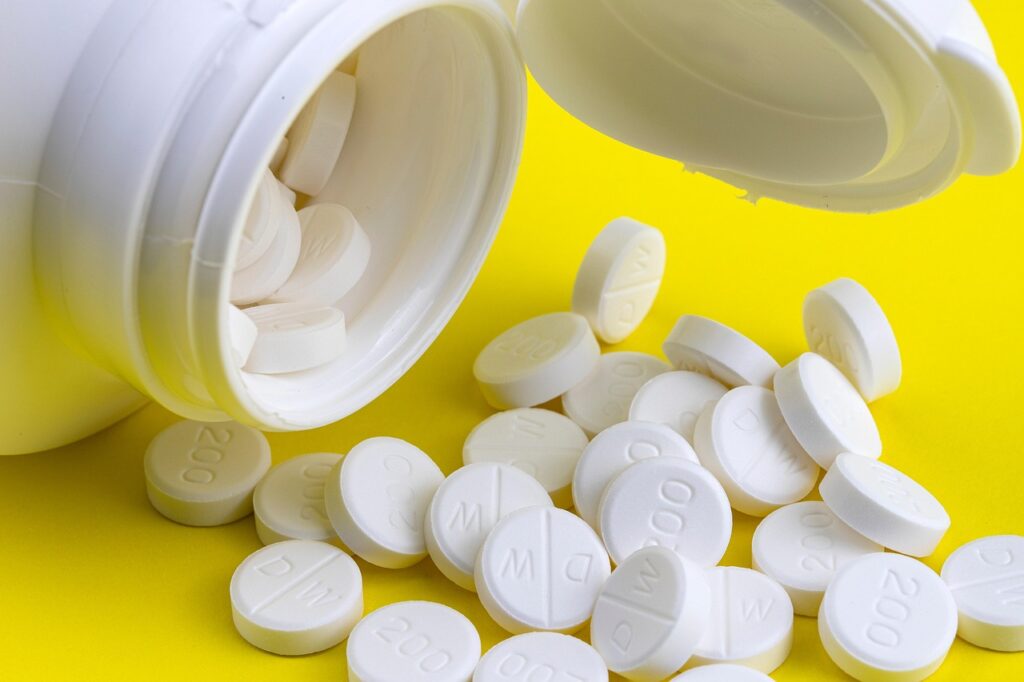

Overview of Weight-Loss Supplements
Table of Contents
Definition of Weight-Loss Supplements
You may be wondering what weight-loss supplements are exactly. Simply put, these are products designed to aid in weight reduction by either suppressing appetite, burning fat, or promoting a faster metabolism. They can come in various forms, including pills, powders, and even drinks. Many look to these supplements in hopes of achieving their weight loss goals more efficiently and effectively than through diet and exercise alone.
Types of Supplements Available
When it comes to weight-loss supplements, there’s no shortage of options available to you. The market is flooded with various types, each claiming its own unique benefits. Common types include fat burners, appetite suppressants, carbohydrate blockers, and meal replacement shakes. Some are made from natural ingredients, while others involve synthetic compounds. If you’re considering trying one, it’s wise to do your research and find out what might suit your needs best.
How Supplements Claim to Work
Weight-loss supplements often make bold claims about their ability to help you shed those extra pounds. Most of them work by affecting certain body systems—some boost energy levels to enhance workout performance, while others might focus on reducing hunger cues to control caloric intake. Despite the science behind these claims, it’s essential for you to approach them with a healthy dose of skepticism and awareness.
Regulatory Landscape
Role of Food and Drug Administration (FDA)
You might assume that weight-loss supplements are rigorously tested for safety and effectiveness, but that’s not exactly the case. In the United States, the FDA does regulate dietary supplements, but the level of oversight is significantly less stringent than that for prescription medicines. While the FDA can take action against companies making false claims, it cannot create a necessity for pre-market approval as it does with drugs.
Comparison with Prescription Medications
When you compare weight-loss supplements to prescription medications, the differences in regulation and oversight are stark. Prescription drugs must undergo extensive clinical trials to demonstrate both safety and efficacy before they can be marketed. In contrast, many supplements can enter the market with little to no evidence supporting their claims, leaving you vulnerable to potential risks.
Lack of Standardization in Supplement Industry
One of the significant problems within the supplement industry is the lack of standardization. With no uniform guidelines governing ingredient quality and manufacturing processes, it becomes challenging to trust exactly what you’re consuming. Consequently, you may find discrepancies in the potency of ingredients from one brand to another, leading to mixed outcomes.

Efficacy of Weight-Loss Supplements
Review of Scientific Studies
Numerous studies have addressed the effectiveness of various weight-loss supplements. While some evidence supports the potential efficacy of specific products, such findings are generally inconsistent or minimal. Studies often highlight that weight-loss supplements do contribute to small amounts of weight loss over time, but results can vary dramatically based on individual lifestyle factors.
Placebo Effect in Weight Loss
As you delve into this topic, it’s worth noting the role of the placebo effect. Many individuals who believe strongly in the effectiveness of a weight-loss supplement report noticeable results. This psychological factor can sometimes overshadow any actual impact the supplement might have. Hence, maintaining realistic expectations is crucial.
Long-term vs Short-term Effects
When evaluating weight-loss supplements, consider the distinction between short-term and long-term effects. While some supplements may facilitate quick weight loss, maintaining that weight often proves to be more challenging. Sustainable weight loss typically requires a balanced diet and regular exercise. Thus, it’s essential to focus on lifestyle changes rather than temporary fixes.
Potential Health Risks
Common Side Effects
You should be aware that weight-loss supplements are not without risks. Common side effects can range from mild digestive issues and increased heart rates to possible insomnia. Always listen to your body and consider that what works for one person may not necessarily be safe or effective for you.
Severe Health Complications
Certain weight-loss supplements, especially those containing stimulants, can lead to severe complications. Adverse reactions can include high blood pressure, cardiovascular problems, and anxiety. Understanding these potential risks is vital for making informed decisions about supplement use.
Liver and Kidney Damage Concerns
Perhaps one of the more alarming issues is the potential for liver and kidney damage from some weight-loss supplements. Reports have indicated that certain products have been linked to serious organ damage, raising questions about their overall safety for everyday use. It’s essential to weigh these risks against any perceived benefits.

Quality Control Issues
Problems with Labeling Accuracy
A significant challenge with weight-loss supplements lies in labeling accuracy. Many users unknowingly take products that do not contain what they claim. Regulatory inspections have found that a majority of supplements fail to match their ingredient lists, leaving you vulnerable to unexpected substances and side effects.
Contaminants in Supplements
Even more concerning is the risk of contamination. Some products may contain harmful substances not listed on the label, posing additional health threats. From heavy metals to undeclared pharmaceuticals, the purity of supplements can often be questionable, which means being diligent about your choices is crucial.
Regulatory Non-Compliance Statistics
The statistics surrounding non-compliance in the supplement industry can be shocking. Research indicates that a significant percentage of supplement manufacturers fail to meet regulatory standards, creating an environment of uncertainty for consumers like you. Being aware of this can empower you to ask the right questions before trying new products.
Consumer Myths and Misconceptions
Beliefs About Safety and Efficacy
Many misconceptions exist surrounding the safety and efficacy of weight-loss supplements. It’s common for consumers to fall for claims that promise miraculous results with minimal effort. Understanding that not all products are created equally is essential for making realistic choices regarding your weight-loss journey.
Role of Advertising and Marketing
Advertising plays a massive role in shaping beliefs about weight-loss supplements. Many companies utilize compelling marketing strategies to promote their products, often emphasizing sensational results while downplaying potential risks. As you navigate the marketplace, remaining critical of these claims can save you from disappointing experiences.
Understanding Ingredient Transparency
Transparency in ingredient sourcing is another area where confusion arises. Many brands tout “natural” ingredients but fail to disclose the specifics of their formulations. Having a clearer understanding of what goes into these products can help you choose supplements more wisely.
Guidelines for Safe Use
Things to Look For in a Supplement
If you decide to incorporate weight-loss supplements into your routine, keep several factors in mind. Look for products with transparent labeling, a reliable reputation, and peer-reviewed studies that back their effectiveness. Choosing well-established brands can increase your chances of finding a safe and effective option.
Consultation with Healthcare Professionals
Before starting any new supplement, it’s a good idea to consult with healthcare professionals. They can provide valuable insights based on your health history and current medications. This ensures you have a complete picture of how a supplement might affect you.
Monitoring Your Health While Using Supplements
Once you start using a weight-loss supplement, keep track of your wellness journey. Regular self-assessments and maintaining open conversations with your healthcare provider can help you spot any adverse effects early on. Prioritizing your health is the best path forward.
Alternatives to Weight-Loss Supplements
Dietary Changes
If you’re looking for a healthier approach to weight loss, consider making dietary changes. Incorporating more whole foods, managing portion sizes, and opting for balanced meals can significantly impact your weight and overall health.
Physical Activity and Exercise
Another essential element is regular physical activity. Exercise not only helps facilitate weight loss but can also improve your mental health and increase your energy levels. Finding an activity you enjoy can make all the difference.
Behavioral Modifications
Beyond dietary and exercise changes, behavioral modifications can lead to more sustainable weight loss. This might include mindful eating practices, stress management techniques, and building a supportive environment for your weight loss journey.
Case Studies and Real-Life Examples
Success Stories with Supplements
While some individuals find success using weight-loss supplements, it’s crucial to remember that these are individual experiences. For instance, some users may report significant weight loss after implementing a specific product into their regimen. However, these stories often vary significantly in terms of long-term maintenance and health outcomes.
Adverse Reactions from Users
Conversely, multiple anecdotes highlight adverse reactions from taking weight-loss supplements. From heart palpitations to gastrointestinal distress, several individuals have reported serious side effects, underscoring the necessity of caution.
Regulatory Actions Against Companies
The supplement industry isn’t without its controversies. Regulatory actions have occasionally been taken against companies for misleading claims or unsafe practices. Staying informed about these actions can help you decide wisely and keep yourself safe from subpar products.
Conclusion
Summary of Key Findings
Through this discussion, it’s clear that weight-loss supplements come with a complex array of potential benefits and considerable risks. It’s vital for you to weigh the pros and cons carefully before deciding on your approach.
Final Recommendations for Consumers
Ultimately, choose wisely and prioritize your health. Engage in thorough research, consult with healthcare professionals, and consider focusing more on lifestyle changes rather than relying solely on supplements.
Importance of Evidence-Based Approaches
In your quest for weight loss, aim to adopt an evidence-based approach. With information at your fingertips, you’re better equipped to make choices that align with your health goals and personal values. Stay informed, stay safe, and make choices that empower you!
Only 2 out of 12 supplement companies were found to have products that were even accurately labeled.
New subscribers to our e-newsletter always receive a free gift. Get yours here:
Correction:
Next up is Are Weight Loss Supplements Effective? (
I similarly covered weight loss medications in Are Weight Loss Pills Safe? ( and Are Weight Loss Pills Effective? (
So what’s the best way to lose weight? Find out in my new book How Not to Diet (
Have a question about this video? Leave it in the comment section at and someone on the NutritionFacts.org team will try to answer it.
Want to get a list of links to all the scientific sources used in this video? Click on Sources Cited at You’ll also find a transcript and acknowledgements for the video, my blog and speaking tour schedule, and an easy way to search (by translated language even) through our videos spanning more than 2,000 health topics.
If you’d rather watch these videos on YouTube, subscribe to my YouTube Channel here:
Thanks for watching. I hope you’ll join in the evidence-based nutrition revolution!
-Michael Greger, MD FACLM
Captions for this video are available in several languages. To find yours, click on the settings wheel on the lower-right of the video and then “Subtitles/CC.”
Do you have feedback about the translations in this video? Please share it here along with the title of the video and language:
Image credit: Jsmileycreek / creativecommons.
• Subscribe:
• Donate:
• Podcast :
• Facebook: www.facebook.com/NutritionFacts.org
• Twitter: www.twitter.com/nutrition_facts
• Instagram: www.instagram.com/nutrition_facts_org
• Books:
• Shop:
