A Secret Weight Loss Supplement: Unlocking the Benefits of Cinnamon
Cinnamon might just be the secret ingredient you’ve been looking for to enhance your weight loss journey. With studies suggesting that it can help reduce visceral fat, incorporating this spice into your routine could bring you one step closer to that shredded look. However, it’s important to remember that no supplement can replace a balanced diet and regular exercise; they work best when teamed with healthy habits.
Understanding the benefits of cinnamon in your diet can open up new possibilities for your wellness goals. This article will explore how adding this flavorful spice to your meals can not only add zest to your diet but also support your fitness efforts. Discover practical tips on how to integrate cinnamon into your lifestyle and why it may be the perfect aid for your weight loss journey.


Understanding Cinnamon as a Weight Loss Supplement
Table of Contents
- 1 Understanding Cinnamon as a Weight Loss Supplement
- 2 Scientific Evidence Supporting Cinnamon
- 3 Nutritional Profile of Cinnamon
- 4 Incorporating Cinnamon into Your Diet
- 5 Benefits Beyond Weight Loss
- 6 Cinnamon as a Complement to Exercise
- 7 Potential Risks and Considerations
- 8 Expert Opinions on Cinnamon for Weight Loss
- 9 Comparing Cinnamon to Other Weight Loss Supplements
- 10 Conclusion
Cinnamon isn’t just a tasty addition to your favorite dishes; it also has potential benefits for weight loss that you’re likely to find intriguing. With its rich historical roots and an array of active compounds, it has long held a vital place in traditional medicine. As you explore how this spice could play a role in your wellness journey, you’ll uncover more than just culinary uses.
Historical Use of Cinnamon in Medicine
Cinnamon has been used for thousands of years, originating in ancient civilizations like Egypt and China, where it was valued not only for its flavor but also for its medicinal properties. Ancient healers believed that it could help treat conditions ranging from digestive issues to respiratory ailments. Its antimicrobial properties made it a sought-after ingredient in preserving food and combating illness. Understanding this historical context can help you appreciate the spice’s relevance and potential role in modern health practices, particularly in the realm of weight loss.
Cinnamon’s Active Compounds
The magic of cinnamon lies primarily in its active compounds, such as cinnamaldehyde, coumarin, and various essential oils. These compounds contribute to its distinctive flavor and aroma, but they also have powerful biological effects. Cinnamaldehyde, for example, is believed to increase metabolism, while antioxidants in cinnamon help combat oxidative stress in the body. As you incorporate cinnamon into your diet, you may find that these compounds work synergistically to support your weight loss goals.
Mechanism of Action in Weight Loss
But how exactly does cinnamon aid in weight loss? It’s primarily by influencing blood sugar levels and improving insulin sensitivity. When your blood sugar is stable, you’re less likely to experience cravings and energy dips, which can derail your weight loss efforts. Moreover, cinnamon has been shown to enhance fat burning and reduce the accumulation of fat in the body, particularly visceral fat. So, if you’re on a journey to shred those extra pounds, incorporating this fragrant spice might just be the boost you need.
Scientific Evidence Supporting Cinnamon
As you delve deeper into the relationship between cinnamon and weight loss, it’s vital to consider the scientific evidence that supports this connection. Studies have shown promising results regarding cinnamon’s effectiveness in fat reduction and metabolism enhancement.
Overview of Relevant Studies
Several scientific studies have explored how cinnamon may aid in weight management. One notable study published in a reputable journal found that participants who added cinnamon to their diet showed a significant reduction in body weight and waist circumference compared to those who did not. It’s important to view these findings within the broader context of a balanced diet and an active lifestyle.
Effects on Metabolism
Research suggests that cinnamon may enhance metabolism in several ways. It has been found to promote thermogenesis, the process through which your body converts calories into heat. This not only helps in burning calories but also can lead to increased energy levels throughout the day. So, by adding cinnamon to your daily routine, you could potentially give your metabolism the gentle nudge it needs.
Impact on Visceral Fat Reduction
Visceral fat, the harmful fat that surrounds your organs, is linked to serious health issues such as heart disease and diabetes. Studies have indicated that cinnamon may play a role in reducing visceral fat levels, making it a particularly appealing option for those looking to improve their overall health in addition to their waistline. It’s a small but significant factor that can contribute to your body composition and health.

Nutritional Profile of Cinnamon
You might be surprised to learn that cinnamon packs a nutritional punch. Its profile goes beyond mere spices on your shelf.
Vitamins and Minerals Found in Cinnamon
Cinnamon is not just a flavor enhancer; it’s also a source of vital nutrients. It contains several key vitamins and minerals, including vitamin K, calcium, and iron, all of which can contribute to your overall well-being. Incorporating these nutrients into your diet can support various bodily functions, making cinnamon a worthy addition to your meals.
Antioxidant Properties
Cinnamon is rich in antioxidants, compounds that help protect your body from oxidative stress and inflammation. These antioxidants combat free radicals, reducing the risk of chronic diseases and potentially aiding your body’s recovery processes. By enjoying cinnamon, you’re not just supporting your weight loss; you’re also fostering a healthier internal environment.
Cinnamon vs Other Common Spices
When compared to other common spices, cinnamon stands out for its unique benefits. While many spices offer health advantages, few combine the rich flavors, ease of use, and weight loss support that cinnamon provides. Versatile and easily accessible, it deserves a prominent place in your spice cabinet.
Incorporating Cinnamon into Your Diet
Now that you know about cinnamon’s benefits, it’s time to think about how to incorporate it into your daily routine.
Different Forms of Cinnamon
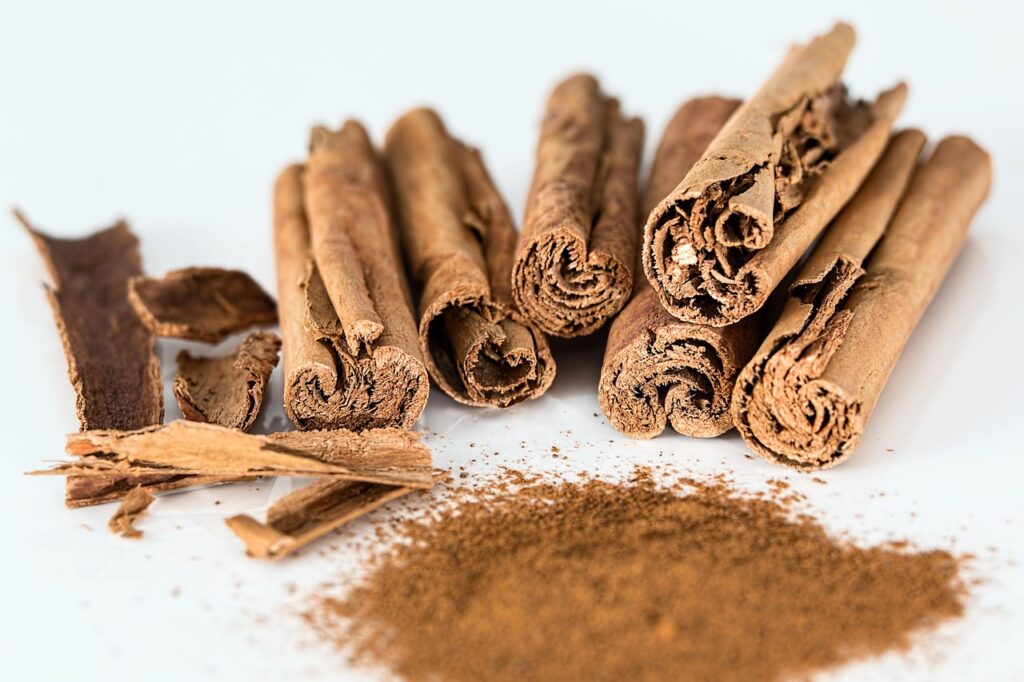
Cinnamon comes in several forms, including powder, sticks, and essential oils. Ground cinnamon is easy to sprinkle into your morning oatmeal or yogurt. Cinnamon sticks can add flavor to teas or be used in slow-cooked meals. The essential oil, while potent and aromatic, should be used sparingly, as a little goes a long way. As you consider which form to incorporate, think about what fits best into your lifestyle.
Suggested Daily Intake
When it comes to how much cinnamon you should consume, moderation is key. A typical recommendation is about 1 to 2 teaspoons (2 to 4 grams) per day for most adults. It’s a delightful way to enhance your meals while reaping its benefits without overdoing it. Just remember that every diet is personal, so it’s a good idea to start small and see how your body responds.
Delicious Recipes Featuring Cinnamon
The best part about cinnamon? It’s incredibly versatile and can be added to countless recipes. You might enjoy a warming cinnamon apple porridge for breakfast, or perhaps a cinnamon-spiced chicken for dinner. Even a simple cinnamon tea or an herbal infusion can brighten your day. Don’t hesitate to experiment with different recipes; the possibilities are endless, and your taste buds will thank you.

Benefits Beyond Weight Loss
Cinnamon isn’t just a superstar for weight loss; it has a whole host of other health benefits too.
Cinnamon and Blood Sugar Regulation
One of the more significant health benefits of cinnamon is its role in regulating blood sugar levels. For those who struggle with insulin resistance or type 2 diabetes, cinnamon may help by improving insulin sensitivity and lowering fasting blood sugar levels. A stable blood sugar can also curb cravings, thus indirectly supporting weight management.
Impact on Heart Health
Cinnamon has been linked to better heart health as well. Some studies suggest that it may help lower blood pressure, cholesterol levels, and triglycerides, all of which contribute to a healthy cardiovascular system. By incorporating cinnamon into your diet, you could be taking proactive steps to protect your heart while you work on your body.
Cinnamon and Digestive Health
On a digestive level, cinnamon offers support by promoting healthy digestion and reducing gas or bloating. Its anti-inflammatory properties can soothe the digestive tract, making it easier for your body to break down food and absorb nutrients. For anyone concerned about digestive issues, adding a sprinkle of cinnamon might just become a go-to remedy.
Cinnamon as a Complement to Exercise
As you work towards your fitness goals, consider the ways that cinnamon can complement your exercise routine.
Boosting Metabolic Rate
Cinnamon can play a role in boosting your metabolic rate, which is crucial during exercise. A faster metabolism can enhance calorie burning, making your workouts more effective. By adding cinnamon to your pre-workout meal or smoothie, you might find that you feel more energized and ready to tackle your workout.
Enhancing Recovery Post-Workout
After exercising, recovery is essential. Cinnamon’s anti-inflammatory properties could help speed up muscle recovery, reducing soreness and helping you bounce back quicker. This means you can get back to your workout routine without excessive downtime, keeping you on track towards your fitness goals.
Cinnamon’s Role in Energy Levels
If you’re feeling fatigued during the day, cinnamon might help keep your energy levels stable. By improving blood sugar regulation, it can contribute to more consistent energy throughout the day, preventing those dreaded afternoon slumps. You might find that you have a bit more pep in your step when you make this spice part of your diet.
Potential Risks and Considerations
While cinnamon has many benefits, there are a few considerations to keep in mind before you start incorporating it into your diet.
Allergic Reactions to Cinnamon
Though rare, some individuals may have allergies to cinnamon, which can result in itching, swelling, or difficulty breathing. It’s important to know your body and any sensitivities you may have. If you’re trying cinnamon for the first time, do so with caution and pay attention to your body’s reactions.
Drug Interactions
Cinnamon might interact with certain medications, particularly those that regulate blood sugar levels. If you’re on medication for diabetes or other related conditions, it’s crucial to consult your healthcare provider before significantly increasing your cinnamon intake.
Recommended Precautions
When incorporating cinnamon into your diet, balance and moderation are key. Consuming large amounts, particularly of the cassia variety, can expose you to high levels of coumarin, which could be harmful to your liver over time. Sticking to recommended daily intakes ensures that you enjoy the benefits without the risks.
Expert Opinions on Cinnamon for Weight Loss
As you navigate the world of nutrition, hearing from experts can provide valuable insights into the role cinnamon can play in weight loss.
Nutritionists’ Perspectives
Many nutritionists praise cinnamon for its potential to support healthy metabolic function and weight management. They often recommend adding it to a balanced diet rather than relying solely on it for weight loss. This balanced approach acknowledges the importance of an overall healthy lifestyle, including diet and exercise.
Personal Trainers’ Insights
Personal trainers frequently highlight cinnamon’s ability to bolster energy levels and enhance metabolic processes, making it a great addition to a pre- or post-workout meal. They often encourage their clients to experiment with incorporating cinnamon into smoothies, oatmeal, and healthy snacks to maintain energy throughout workouts.
Common Misconceptions Addressed
One common misconception is that cinnamon alone can lead to significant weight loss. It’s essential to clarify that while cinnamon can be a helpful assistant in your weight loss journey, it’s not a miracle cure. Effective weight management requires a comprehensive approach, including a nutritious diet and regular exercise.
Comparing Cinnamon to Other Weight Loss Supplements
To give you an even broader perspective on weight loss aids, it’s worth comparing cinnamon to other popular supplements.
Cinnamon vs Green Tea Extract
Both cinnamon and green tea extract have weight loss benefits, but they work differently. Green tea extract is rich in catechins, which enhance fat oxidation, while cinnamon focuses more on blood sugar regulation and metabolic support. Combining the two might optimize their effects and provide a well-rounded approach to weight loss.
Cinnamon vs Garcinia Cambogia
Garcinia cambogia is another popular weight loss supplement known for capric acid. While it may help suppress appetite, cinnamon may boost metabolic processes. Depending on your goals, integrating both into your routine could enhance your weight loss efforts.
Synergistic Effects with Other Supplements
Cinnamon can synergize beautifully with various other supplements, such as probiotics, protein powders, or omega fatty acids. These combinations can enhance overall health and support multiple facets of weight management when used together. Always remember to consult a healthcare professional before combining supplements.
Conclusion
Summary of Cinnamon’s Benefits
Cinnamon is much more than a delightful spice; it’s a multifaceted ally in your weight loss journey. With its ability to regulate blood sugar, improve metabolism, support heart health, and assist in digestion, it’s easy to see why many health enthusiasts cherish it.
Encouragement to Experiment with Cinnamon
As you continue on your path towards better health, don’t hesitate to experiment with adding cinnamon to your meals and snacks. Its versatility means you can seamlessly introduce it into your everyday foods while discovering new taste experiences.
Final Thoughts on Healthy Weight Management
Ultimately, while cinnamon can provide supportive benefits, remember that healthy weight management is best achieved through a combination of nutritious eating, regular exercise, and mindful lifestyle choices. By embracing cinnamon as part of your broader dietary strategy, you may find yourself enjoying delightful meals and achieving your health goals—all while savoring the warm, comforting flavor of one of nature’s best spices. Happy cinnamon adventures!