Beginners, Here’s the Best 3 Supplements to Get Ripped
For those just starting their fitness journey, choosing the right supplements can make a significant difference in achieving your goals. This article highlights three essential supplements that will support your quest to get ripped: whey protein, creatine monohydrate, and a daily multivitamin. Each of these plays a crucial role in muscle recovery, strength building, and overall health, paving the way for impressive results.
You’ll learn how whey protein aids in recovery and muscle development, while creatine provides proven support for strength gains. Additionally, the importance of a multivitamin cannot be overlooked, as it helps fill nutritional gaps and optimizes your body’s performance. With these foundations in place, you’ll be well-equipped to maximize your training and get the results you desire.

Understanding the Basics of Supplements
Table of Contents
- 1 Understanding the Basics of Supplements
- 2 Evaluating Your Fitness Goals
- 3 The Role of Protein Supplements
- 4 Exploring Creatine for Performance Boost
- 5 The Impact of Fat Burners
- 6 The Importance of Hydration
- 7 Combining Supplements with a Healthy Diet
- 8 Creating a Supplement Schedule
- 9 Monitoring Your Results
- 10 Final Thoughts on Getting Ripped
What Are Supplements?
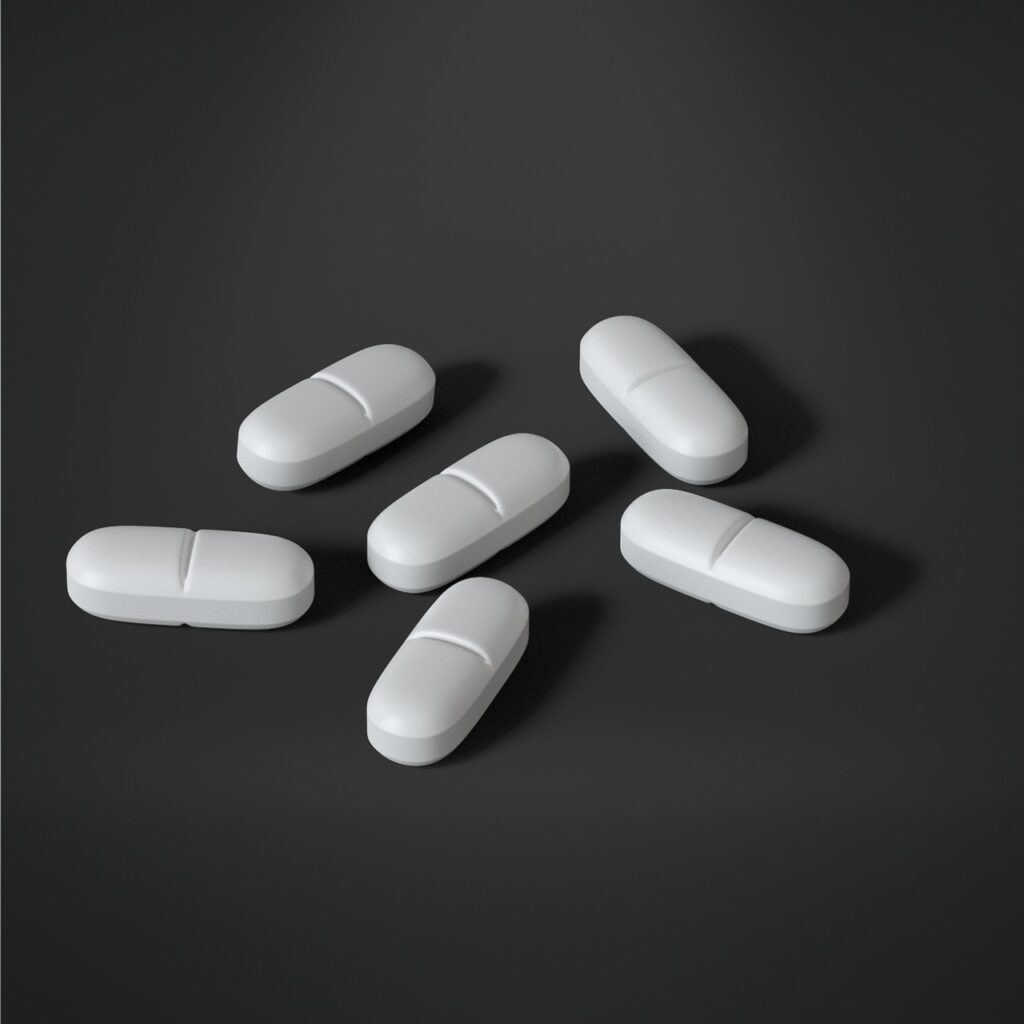
Supplements are products designed to enhance your diet by providing nutrients you may be lacking in your everyday meals. These can come in various forms, such as capsules, powders, or bars, and typically include vitamins, minerals, herbs, amino acids, and other bioactive compounds. As you embark on your fitness journey, supplements can be a helpful tool to ensure that you’re giving your body the additional support it needs, especially when you’re pushing it to its limits.
How Supplements Support Weight Loss
When you’re trying to lose weight, the combination of diet, exercise, and smart supplementation can significantly enhance your results. Certain supplements can help accelerate fat loss by increasing your metabolism, preserving muscle mass during caloric deficits, and curbing hunger pangs. They can serve as a bridge, allowing you to stay on track with your weight loss goals by nourishing your body with essential nutrients that may be missing from your diet.
The Importance of Nutrition and Exercise
While supplements can provide a valuable boost, they are not a replacement for a well-rounded diet and consistent exercise. Proper nutrition fuels your workouts, while exercise creates the physical demand for your body to adapt and grow stronger. Together, these components form the foundation of any successful fitness regimen, ensuring that you not only lose weight but also gain strength and endurance.
Evaluating Your Fitness Goals
Defining What ‘Getting Ripped’ Means
Getting ripped often evokes images of sculpted abs and defined muscles. However, it’s important to define this goal in a way that resonates with you personally. Whether that means losing a certain percentage of body fat or achieving a particular physique, clarifying what “getting ripped” means to you will provide focus for your efforts.
Setting Realistic Expectations
It’s crucial to keep in mind that extraordinary results take time and consistent effort. Setting realistic expectations involves understanding your starting point, body type, and genetics, while also factoring in your personal struggles and lifestyle. Remember, the journey to getting ripped is not a sprint; it’s a marathon. Celebrate small wins along the way to keep your motivation high.
Creating a Balanced Fitness Plan
An effective fitness plan is one that combines various elements such as strength training, cardiovascular exercise, and flexibility routines. By diversifying your workouts, you’ll not only keep things interesting but also find out what resonates with your body best. A balanced fitness plan should also incorporate rest days, as recovery is when your muscles actually grow.

The Role of Protein Supplements
Why Protein is Essential for Muscle Growth
Protein is a powerhouse nutrient essential for muscle growth and recovery. It helps repair muscle fibers that break down during intense workouts and supports overall muscle development. When you’re training hard, it’s crucial to ensure your body has sufficient protein to adapt and grow stronger.
Types of Protein Supplements (Whey, Casein, Plant-Based)
You’ll find a variety of protein supplements on the market today. Whey protein is the most popular due to its quick absorption and complete amino acid profile, making it perfect for post-workout recovery. Casein, on the other hand, digests slowly, providing a steady release of amino acids—ideal for nighttime use. If you prefer plant-based options, there are numerous vegan protein powders available that include blends of pea, rice, and hemp protein. Each has its advantages, so choose one that fits your dietary preferences and goals.
Best Practices for Protein Timing and Intake
Timing and intake of protein can significantly enhance its effectiveness. Aim to consume a source of protein within 30 to 60 minutes after your workouts to support muscle recovery. A good rule of thumb is to include protein in every meal and snack throughout the day to ensure you’re meeting your body’s needs.
Exploring Creatine for Performance Boost
Understanding How Creatine Works
Creatine is a naturally occurring substance in your body that helps produce energy during high-intensity exercise. Supplementing with creatine increases your muscles’ stores, increasing your ability to sustain energy during workouts. This ultimately allows you to push harder and lift more, leading to increased muscle mass over time.
Benefits Beyond Muscle Growth
While creatine is widely celebrated for its muscle-building benefits, it also has cognitive benefits and can enhance overall physical performance. Research suggests that creatine can support brain health and improve memory, making it a multi-faceted supplement worth considering.
Recommended Dosage and Usage Guidelines
The standard recommended dose of creatine is about 5 grams per day. Some people prefer a loading phase where they take higher doses initially before switching to a maintenance dose. However, remember to stay consistent and consult with a healthcare professional if you’re unsure about your needs.
The Impact of Fat Burners
Types of Fat Burners (Stimulant vs. Non-Stimulant)
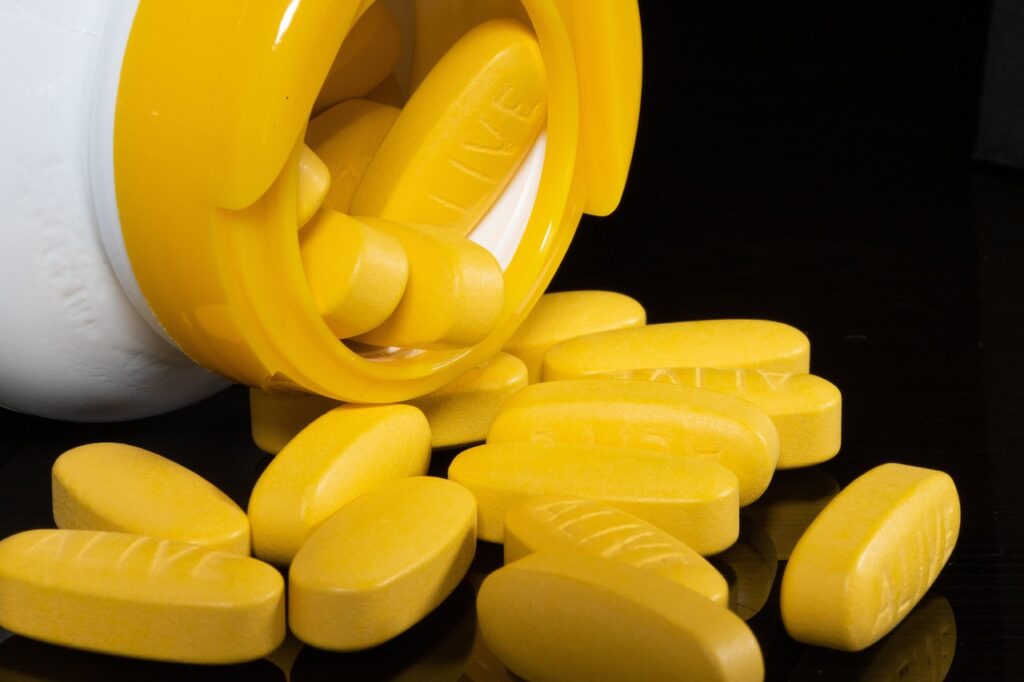
Fat burners come in two main categories: stimulant and non-stimulant. Stimulant fat burners often contain ingredients like caffeine, which can boost energy and metabolic rate. Non-stimulant options, on the other hand, tend to promote fat loss through appetite suppression or increased metabolism without the jitters that caffeine can sometimes cause.
How Fat Burners Aid in Weight Loss
Fat burners can help facilitate weight loss by increasing the metabolic rate, enhancing fat oxidation, and promoting fat breakdown. They can be a great addition to your overall weight loss plan, but should be used wisely and in addition to maintaining a balanced diet and exercise routine.
Potential Risks and Side Effects
It’s important to note that fat burners are not without risks. Some can lead to side effects, ranging from mild (like headaches or jitters) to more severe reactions. Always read the labels and consult with a healthcare professional before adding fat burners to your regimen.
The Importance of Hydration
How Proper Hydration Supports Weight Loss
Staying hydrated is often an underappreciated aspect of weight loss. Adequate water intake helps to suppress appetite, boosts metabolism, and enhances your body’s ability to burn fat. Plus, staying hydrated improves your workout performance, allowing you to train harder and longer.
Electrolytes and Their Role in Physical Performance
Electrolytes such as sodium, potassium, and magnesium are vital for muscle function and overall fluid balance. When you sweat, you lose electrolytes, which can lead to cramping and fatigue. Consider replenishing your electrolytes through food or supplementation, particularly during intense exercise or on hot days.
Tips for Staying Hydrated
To stay hydrated, aim to drink at least half of your body weight in ounces of water each day, and increase that amount during exercise. Carry a reusable water bottle wherever you go, and set reminders on your phone if you tend to forget to drink. Infusing water with fruits or herbs can make hydration more enjoyable!

Combining Supplements with a Healthy Diet
How Supplements Complement a Balanced Diet
Supplements are most effective when used to complement a healthy, balanced diet. No amount of supplementation can substitute for the nutrients found in whole foods. Focus on getting a variety of fruits, vegetables, lean proteins, whole grains, and healthy fats, and let supplements fill in any gaps.
Foods to Pair with Your Supplements
Pairing your supplements with nutrient-rich foods can enhance absorption. For instance, taking fat-soluble vitamins (like A, D, E, and K) with healthy fats can significantly improve their effectiveness. Likewise, consuming protein supplements with a source of carbohydrates post-workout can speed up recovery.
Meal Timing and Frequency
Meal timing can also play an important role in how well you use your supplements. Eating smaller, more frequent meals throughout the day can keep your energy levels stable and support muscle recovery. It’s beneficial to listen to your body’s hunger cues and adjust meal frequency according to your lifestyle and workout intensity.
Creating a Supplement Schedule
Integrating Supplements into Daily Routine
Creating a consistent supplement schedule can enhance your results. Consider taking your supplements at the same time each day or within specific routines—like post-workout or with meals—to build a habit. Having a visible chart or a planner can keep you accountable.
Tracking Your Progress and Adjusting Intake
Monitoring your progress can help you identify what’s working and what needs adjustment. You may want to keep a journal or use an app that allows you to track your workouts, diet, and supplement intake. This data can help you fine-tune your approach for the best results.
The Role of Consistency in Achieving Goals
Consistency is key when it comes to seeing actual results from your supplementation. Stick with your plan, give your body time to adjust, and be patient. The changes will come with dedication and consistency over time.
Monitoring Your Results
How to Measure Progress Effectively
When monitoring your fitness journey, it’s important to measure progress in various ways—not just the scale. Consider tracking body measurements, progress photos, and strength gains in the gym. These metrics can provide a more holistic view of your success.
Adjusting Your Supplement Stack Based on Results
As you progress, you may find that your supplement needs change. Maybe a certain protein is no longer doing it for you or perhaps you’re ready to try a new fat burner. Periodically reevaluate your supplementation strategy based on your goals and how your body is responding.
Understanding Plateaus and How to Overcome Them
It’s completely normal to hit plateaus along your journey. These can stem from various factors, including diet changes, lack of variety in workouts, or even insufficient rest. Embrace these moments as opportunities to reevaluate your approach, and don’t hesitate to switch things up to reignite your progress.
Final Thoughts on Getting Ripped
Emphasizing the Balance of Diet, Exercise, and Supplements
Ultimately, getting ripped is a delicate balance of nutrition, exercise, and supplementation. Each pillar supports the others, and neglecting one can stall your progress. Create a personalized plan that integrates all three components for optimal results.
Long-Term vs. Short-Term Approaches
Consider whether your goals are based on short-term desires or long-term health benefits. While quick fixes may be tempting, lasting change takes time and commitment. Approach your fitness goals with a mindset focused on long-term success, building sustainable habits that benefit your health far beyond just aesthetics.
Staying Motivated on Your Fitness Journey
Finding and maintaining motivation can be challenging, especially when progress feels slow. Surround yourself with a supportive community, find workout partners, and celebrate small victories. Remember, the journey to getting ripped isn’t just about how you look; it’s about feeling strong, healthy, and confident in your body! Embrace the process, and don’t forget to enjoy the ride along the way.
Apply To Work With Me 1 on 1 HERE:

