3 Reasons to Take Inositol if you have #pcos
Inositol has emerged as a promising supplement for those navigating the challenges of PCOS. With its ability to address key symptoms associated with the condition, it offers a multifaceted approach to managing your health. This article outlines three compelling reasons why incorporating inositol into your daily routine can make a significant difference.
First, inositol supports weight loss by tackling insulin resistance, which is often a major hurdle for individuals with PCOS. Secondly, it helps lower testosterone levels, alleviating troublesome symptoms like acne and hair loss. Finally, inositol plays a vital role in regulating menstrual cycles, particularly for those who may have experienced prolonged irregularities. Embracing this supplement could be a step toward reclaiming your well-being.

Understanding PCOS
Table of Contents
- 1 Understanding PCOS
- 2 What is Inositol?
- 3 Inositol’s Role in Hormonal Balance
- 4 Inositol and Weight Management
- 5 Mental Health Benefits of Inositol
- 6 Inositol and Menstrual Regularity
- 7 How to Incorporate Inositol into Your Routine
- 8 Potential Side Effects of Inositol
- 9 Research and Studies on Inositol and PCOS
- 10 Conclusion
Definition of Polycystic Ovary Syndrome
Polycystic Ovary Syndrome (PCOS) is a hormonal disorder that affects people with ovaries, often leading to a range of health issues. The name “polycystic” indicates the presence of multiple cysts on the ovaries, though not everyone with PCOS will have these cysts. This condition is often characterized by irregular menstrual cycles, excess androgen levels, and insulin resistance. Understanding this condition is crucial for you, especially if you find yourself experiencing its various symptoms.
Common Symptoms and Impacts
If you have PCOS, you might be grappling with symptoms like irregular periods, weight gain, acne, and excessive hair growth in unwanted areas. These symptoms can have significant impacts on your emotional well-being and self-esteem. You may find yourself feeling frustrated, overwhelmed, or isolated due to the unpredictability of your body. Additionally, long-term complications can include diabetes, heart disease, and infertility, making it all the more important to manage this condition effectively.
Prevalence and Risk Factors
PCOS is surprisingly common, affecting around 1 in 10 people with ovaries of reproductive age. While the exact cause remains elusive, several risk factors may increase your likelihood of developing PCOS. Genetic predisposition, obesity, and insulin resistance are often highlighted. If you have a family history of PCOS or metabolic disorders, it’s especially important to stay informed about managing your health.
What is Inositol?
Chemical Structure and Forms of Inositol
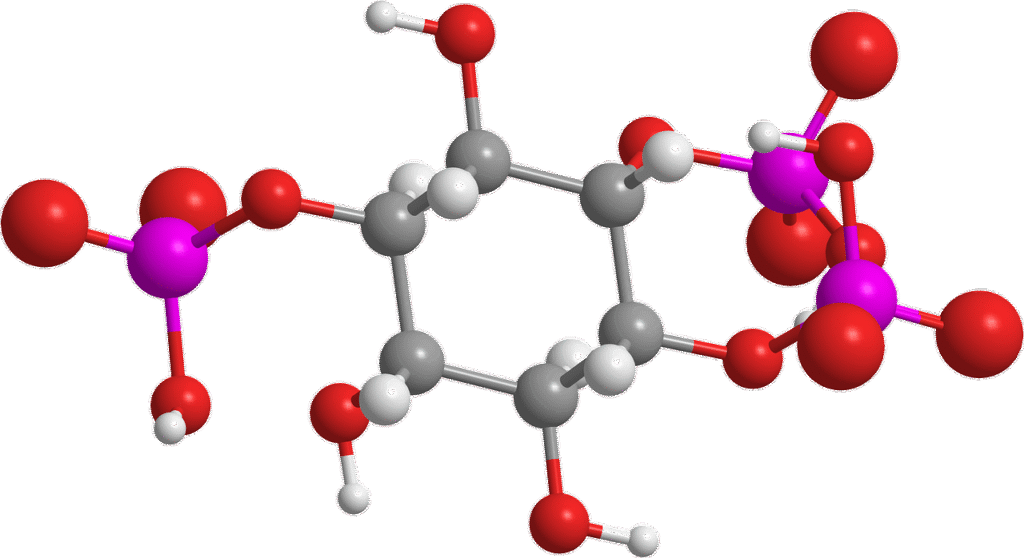
Inositol is a naturally occurring carbohydrate with a chemical structure resembling that of glucose. Its various forms, including myo-inositol and D-chiro inositol, play distinct roles in your body. Myo-inositol is the most researched form concerning its benefits for PCOS, influencing insulin signaling and hormonal balance. Understanding these forms can set the stage for exploring their specific contributions to managing PCOS.
Natural Sources of Inositol
Inositol is primarily found in foods such as whole grains, fruits, beans, and nuts. If you’re aiming to enhance your intake, incorporating these foods into your diet is a great start. For those who have dietary restrictions or find it challenging to consume sufficient amounts, supplements may be a more effective route to ensure you’re getting enough of this vital nutrient.
Role of Inositol in the Body
Inositol serves several essential functions in your body, from promoting cellular signaling to aiding in fat metabolism. It’s particularly known for fostering communication between insulin and your body’s cells, which is crucial for maintaining insulin sensitivity. If you’ve been dealing with the symptoms of PCOS, recognizing inositol’s role can help you appreciate its potential benefits.
Inositol’s Role in Hormonal Balance
Inositol and Insulin Sensitivity
One of the major benefits of inositol, especially for those coping with PCOS, is its ability to improve insulin sensitivity. By promoting better communication between insulin and your cells, inositol can help reduce blood sugar levels and combat insulin resistance. This is particularly crucial for those dealing with weight gain, as improved insulin sensitivity can contribute to weight management.
Impact on Hormone Levels in Women with PCOS
Inositol has been shown to positively affect hormone levels in women with PCOS. By helping to achieve a more balanced hormonal environment, inositol may alleviate some of the distressing symptoms associated with PCOS. This can provide you with a newfound sense of control over your health and well-being.
Testosterone Regulation and Ovulation
If you’re struggling with elevated testosterone levels, inositol may offer support. Research indicates that inositol can help lower testosterone levels, which may alleviate symptoms like acne and hair loss. Additionally, for those looking to conceive, inositol’s positive impact on ovulation can be pivotal, making it an important ally in your journey.

Inositol and Weight Management
How Inositol Affects Weight Loss
If you’re looking to shed some pounds, inositol might be a helpful companion in your weight loss journey. By helping to regulate your insulin levels, inositol can assist with fat storage and metabolism, making it easier for you to manage your weight. It’s not a magic bullet, but it can certainly complement your efforts.
Studies Supporting Inositol for Weight Management
Numerous studies have shown that inositol can help in managing weight for those with PCOS. Research indicates that regular supplementation can lead to significant reductions in body mass index (BMI) and waist circumference. This evidence reinforces the idea that incorporating inositol into your routine could provide the support you need in your weight management endeavors.
Inositol in Conjunction with Diet and Exercise
Combining inositol with a balanced diet and regular exercise can maximize your chances of achieving your weight loss goals. Think of inositol as a supportive partner in your lifestyle changes; while it can help regulate your hormones and improve insulin sensitivity, your efforts in maintaining a healthy diet and staying active are just as crucial.
Mental Health Benefits of Inositol
Understanding Mood Disorders in PCOS
If you’re feeling anxious or depressed as a result of your PCOS, you’re not alone. Mood disorders are not uncommon among those with PCOS, often stemming from hormonal imbalances and the emotional toll of managing a chronic condition. Recognizing this connection is the first step in addressing your mental well-being.
Inositol’s Role in Reducing Anxiety and Depression
Interestingly, inositol has been studied for its potential to alleviate symptoms of anxiety and depression. The relationship between inositol and serotonin, a neurotransmitter linked to mood regulation, suggests that it could be beneficial for those dealing with mood disorders. By incorporating inositol into your routine, you may find some relief from the emotional challenges that PCOS presents.
Clinical Evidence Supporting Mental Health Benefits
Research has indicated that inositol supplementation may lead to lower levels of anxiety and improved mood, demonstrating its potential benefits for mental health. This research highlights the importance of looking at holistic approaches when managing PCOS, where mental and physical health intersect and can enhance your overall sense of well-being.
Inositol and Menstrual Regularity
Impact of Inositol on Menstrual Cycle Irregularities
For some, irregular menstrual cycles can be one of the most frustrating symptoms of PCOS. Inositol has been shown to have positive effects on menstrual regularity, aiding your body in achieving a more consistent cycle. Regularizing your periods can restore a sense of control and normalcy to your life.
How Inositol Promotes Ovulation
If you’re hoping to conceive or simply want to regain control over your hormonal health, inositol can help promote regular ovulation. Its role in balancing hormones not only eases menstrual irregularities but could also improve your chances of ovulating regularly, making it a key component for those looking to conceive.
Case Studies of Menstrual Cycle Improvement
Real-life case studies showcase how individuals who have included inositol in their treatment plan have experienced improved menstrual cycles. Hearing these success stories can inspire you to consider how incorporating inositol might positively influence your own experience.
How to Incorporate Inositol into Your Routine
Recommended Dosages for PCOS
While the appropriate dosage can vary, many studies suggest a range between 2 to 4 grams of inositol per day for those with PCOS. However, it’s always best to consult with your healthcare provider about what’s right for your individual needs.
Forms of Inositol Supplements
Inositol supplements come in various forms, including powders and capsules. Depending on your preference, you might find one form more convenient than another. If you prefer to mix it into drinks or smoothies, powders may be your go-to option!
Combining Inositol with Other Treatments
Inositol can be used alongside other PCOS treatments, including lifestyle changes and medications. A multi-faceted approach often yields the best results, so don’t hesitate to discuss with your healthcare provider how you can effectively combine inositol with your existing treatment plan.
Potential Side Effects of Inositol
Common Side Effects in Users
Inositol is generally well-tolerated, but some may experience mild side effects such as gastrointestinal discomfort or nausea. If you encounter any of these symptoms, don’t worry; they usually subside as your body adjusts.
When to Consult a Healthcare Professional
If you have concerns about potential side effects or how inositol might interact with your medications, it’s wise to consult with a healthcare professional. They can provide personalized advice, ensuring that you’re making safe choices for your health.
Long-term Safety of Inositol Use
Current research suggests that inositol is safe for long-term use, particularly in the context of PCOS. However, ongoing studies continue to explore its benefits and safety, so staying informed about new information can empower you in managing your health.
Research and Studies on Inositol and PCOS
Key Studies Demonstrating Inositol’s Efficacy
Research has consistently demonstrated that inositol can be beneficial for individuals with PCOS, particularly in improving insulin sensitivity and restoring hormonal balance. Some studies even indicate it may help increase the likelihood of ovulation and menstrual regularity, both of which are crucial for managing symptoms of PCOS.
Differences Between Myo-Inositol and D-Chiro Inositol
Understanding the different forms of inositol, specifically myo-inositol and D-chiro inositol, is important. Research suggests that a combination of both can be particularly effective in treating PCOS, addressing multiple aspects such as insulin resistance and hormonal balance.
Future Directions in Inositol Research
The future looks promising for inositol research. As studies continue to highlight its benefits, you can expect more tailored and effective treatments emerging. Staying informed about these developments can help you navigate your options effectively.
Conclusion
Summary of Benefits of Inositol for PCOS
Inositol emerges as a versatile ally in managing PCOS. From aiding weight management and hormone regulation to improving mental health and menstrual regularity, its myriad benefits make it a noteworthy consideration for anyone grappling with this condition.
Encouragement to Consult Healthcare Providers
If you’re contemplating incorporating inositol into your routine, it’s essential to consult your healthcare provider. They can guide you through the best practices tailored to your specific needs.
Final Thoughts on Managing PCOS with Natural Remedies
Managing PCOS can feel overwhelming at times, but exploring natural remedies like inositol may offer you a sense of empowerment. Remember, you are not alone in this journey. With the right support, resources, and a proactive approach, managing PCOS is absolutely within your reach!
